Enterprise RAG for Knowledge Management
The Problem
Every organization eventually hits the same wall. Knowledge is everywhere - Confluence, SharePoint, Notion, Google Drive, Slack threads, ticket histories, product docs, contract repositories - and discoverable nowhere. People reinvent answers their colleagues already wrote. Onboarding takes weeks because no one can point a new hire at a single source of truth. Subject matter experts become bottlenecks because they hold context that nobody else can find.
Generic chatbots make this worse, not better. They hallucinate plausible-sounding answers that are not actually grounded in your data. They cite sources that do not exist. They give different answers to the same question on different days. The trust collapses in the first week, the project is quietly abandoned, and the budget is spent.
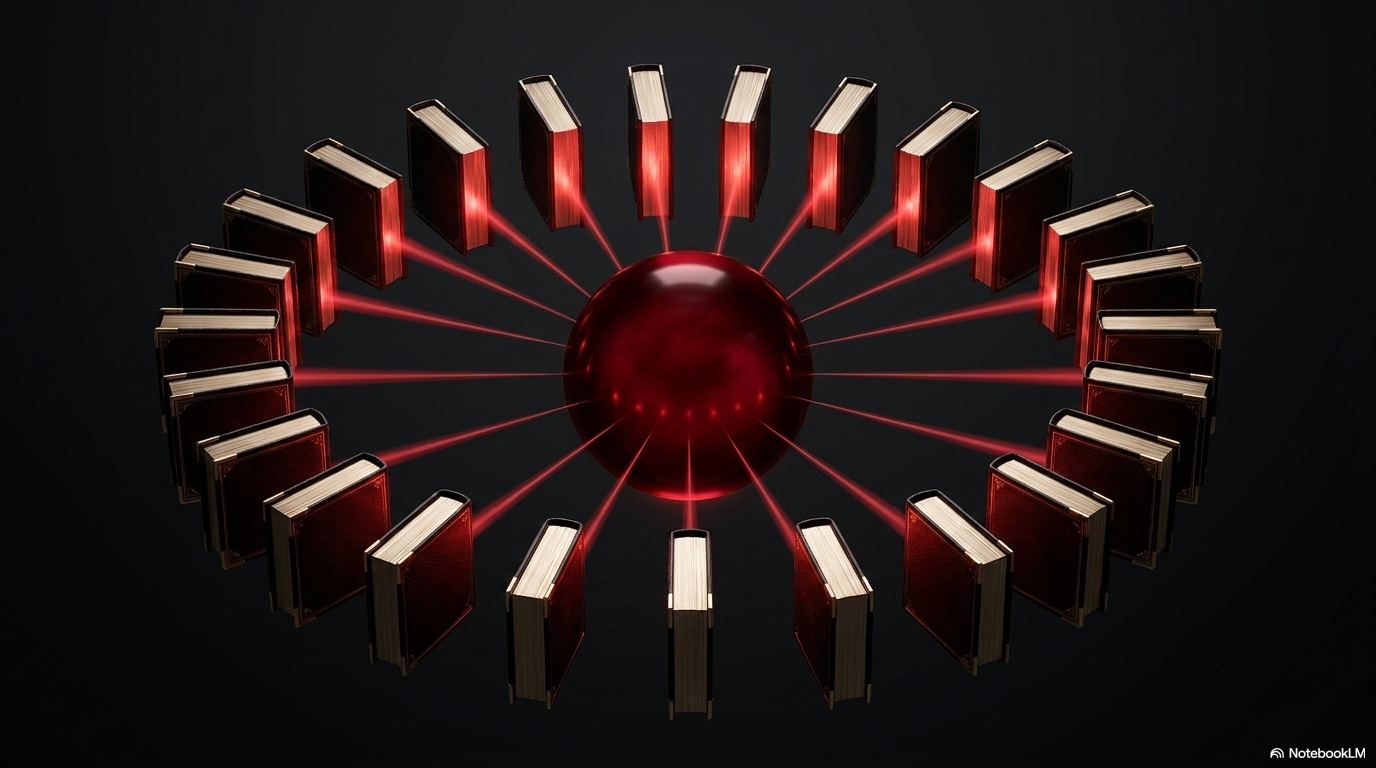
The architecture that actually works is Retrieval-Augmented Generation - RAG. Done properly, it gives your team an AI assistant grounded in your real documents, with citations, with traceability, and with the ability to say “I do not know” when the answer is not in the corpus.
How AI Solves It
Document ingestion and chunking - Source documents are parsed, cleaned, and split into semantically meaningful chunks. The chunking strategy matters enormously: too coarse and retrieval misses the answer, too fine and context is lost. Production RAG systems tune chunking per document type.
Embedding and vector storage - Each chunk is converted to a vector embedding using a model like Cohere Embed, OpenAI text-embedding-3, or Amazon Titan Embeddings. These vectors are stored in a purpose-built vector database (OpenSearch, Pinecone, Weaviate) that supports fast similarity search.
Hybrid retrieval - The best systems do not rely on vector search alone. They combine semantic similarity with keyword search (BM25) and metadata filtering (date, document type, access permissions). This catches answers that semantic search alone would miss.
Re-ranking - Initial retrieval pulls 20-50 candidate chunks. A cross-encoder re-ranker then scores each candidate against the query and selects the top 5-10 for the final answer. Re-ranking is the single highest-impact optimization for production RAG quality.
Grounded generation with citations - The selected chunks are passed to a large language model (Claude, Amazon Nova, or open-source alternatives) with strict instructions to answer only from the provided context and cite the source for every claim. Hallucination rates drop from 15-30% on baseline LLMs to under 3% on a well-tuned RAG system.
Access control and audit - Enterprise RAG must respect document permissions. The retrieval layer filters by the user’s access rights before any answer is generated. Every query and its retrieved sources are logged for audit.
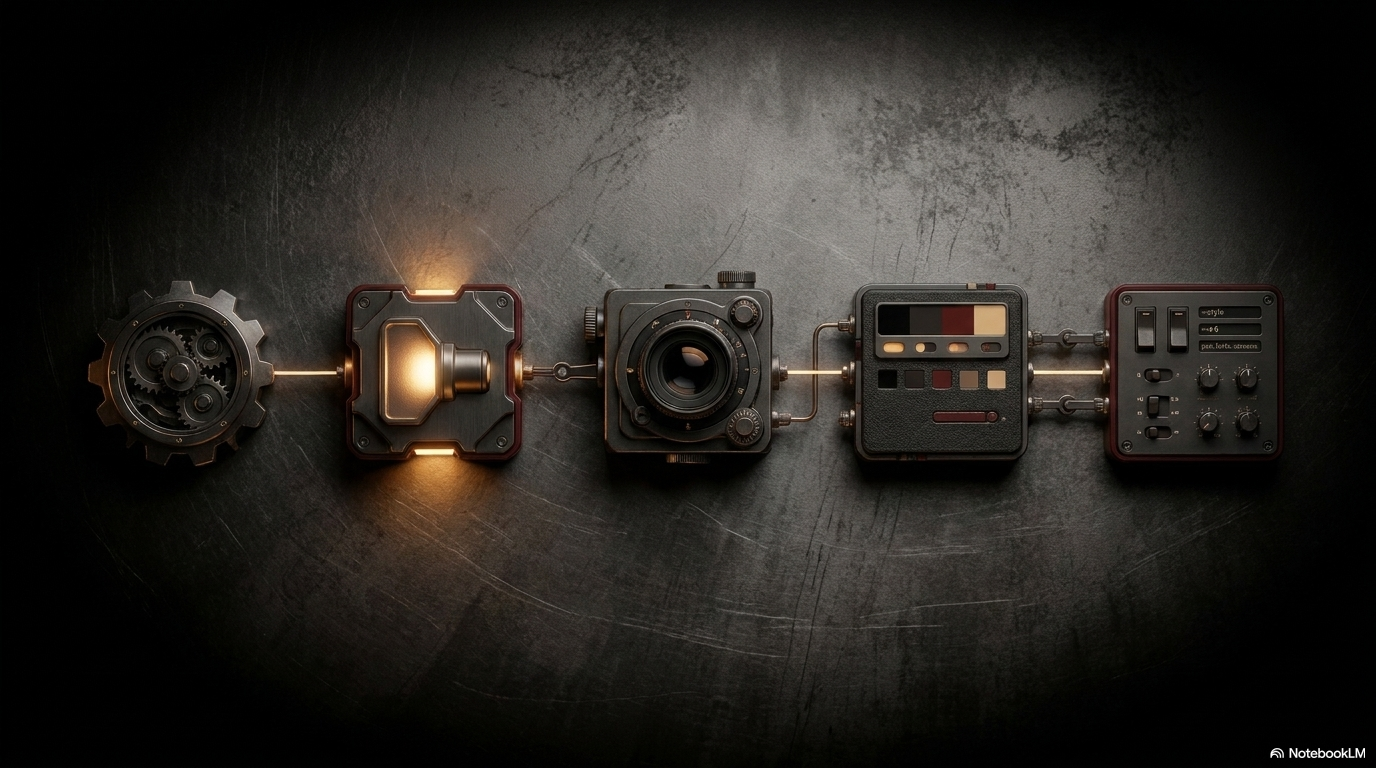
Production RAG is a pipeline, not a single API call. Every stage is tunable and every output is traceable.
Real-World Example
A mid-sized SaaS company built an internal RAG assistant over their product documentation, customer support ticket history, and engineering wiki. The corpus was approximately 14,000 documents covering five years of company knowledge.
The previous state: new support engineers took 6-8 weeks to ramp up to handling tier-2 tickets unaided. Senior engineers spent 4-6 hours per week answering “I am sure we have written this down somewhere” questions in Slack.
The RAG pilot:
- Ingested all four sources with permission-aware filtering
- Used hybrid search (semantic + keyword + product-area filter) with re-ranking
- Generated cited answers with explicit “I do not have information on this” responses for out-of-corpus queries
- Logged every interaction for continuous evaluation
After three months in production: new engineer ramp time fell to 3-4 weeks, senior engineer interruptions dropped by 70%, and the assistant became the single most-used internal tool in the company. Crucially, trust held - because every answer had a citation, engineers could verify quickly and the system was honest about its limits.
What This Looks Like as a Workshop
A RAG workshop starts with corpus analysis. Most clients overestimate the quality of their documentation. We audit the source data, identify the chunks of corpus that are genuinely useful, and define what “answerable” looks like for the pilot scope.
The prototype usually focuses on one user group (internal support, engineering, sales) and one document set, with the architecture designed for the wider rollout from day one. AWS services commonly used: Amazon Bedrock (for embedding and generation), Amazon OpenSearch Serverless (for vector and hybrid search), S3 for source storage, AWS Lambda for orchestration, and Amazon Bedrock Guardrails for safety filtering.
The Concept Workshop produces the architecture and chunking strategy. The Prototype Workshop builds a working RAG pipeline against your real documents with a measurable accuracy benchmark.
If RAG over your internal knowledge is the obvious next step but the previous attempt failed, book a free Idea Call to look at why and what a re-architected version would deliver.